
If you put off treating your TMJ, you’ll experience frequent migraines and pain anytime you try to eat. Your jaw can even become so stiff it’s hard to open and close your mouth.
Does Your Jaw Make Clicking and Popping Noises?
Satisfied Patient Reviews:
TMJ & TMD Treatment in Alexandria, VA
Do TMJ pain and migraines impact your comfort and ability to enjoy life fully? At LIFE Advanced Integrated Dentistry, we understand and empathize with your discomfort.
That is why we offer a treatment for jaw pain to help you live a more comfortable life.
Dr. Charissa Chin and the LIFE Advanced Integrated Dentistryteam take an integrative approach to dentistry. That means our goals are to relieve your symptoms and understand the reason behind your pain.
Dr. Chin offers comprehensive TMJ pain treatment and solutions supporting oral and overall health and wellness.
The following guide explores TMJ and TMD. You should have a clear understanding of the causes and symptoms when you’re finished reading.
You will also know about available treatments and know when to seek care from your dentist and other healthcare providers.
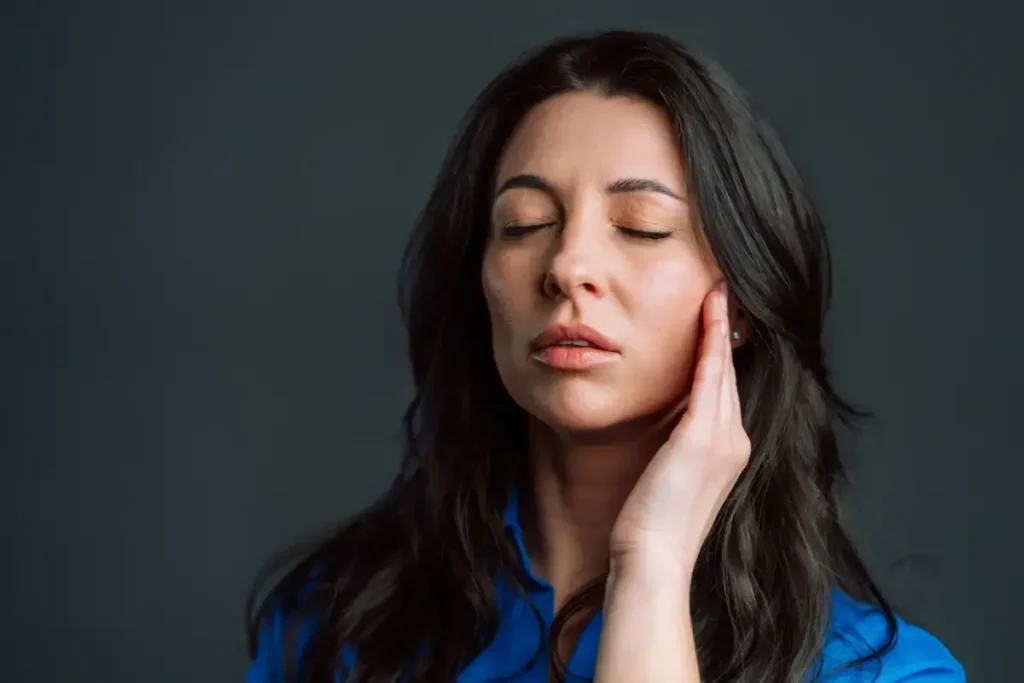
What Does the Temporomandibular Joint (TMJ) Do?
The temporomandibular joint (TMJ) is a synovial joint. It contains fluid-filled capsules. You have two temporomandibular joints that connect your lower jaw to your skull.
These joints are located in front of each of your ears where your lower jaw connects to your skull. The design creates a hinge that moves up and down when you open your mouth.
You can thank the synovial joint and its hinge-like design for the smooth movement of your jaw. These complex joints are also responsible for the up-and-down and side-to-side motion of the lower jaw.
Without the temporomandibular joint, you couldn’t perform daily jaw movements such as:
- Speaking clearly
- Chewing your food
- Yawning fully
- Making facial expressions
Both temporomandibular joints work together to make these daily jaw movements possible.

What are Temporomandibular Joint Disorders (TMDs)?
Temporomandibular joint disorders (TMDs) include more than 30 conditions that affect the temporomandibular joint.
They cause pain and dysfunction in this joint and the muscles that control jaw movement.
According to dental and craniofacial research, the condition affects up to 12% of adults. It occurs when these joints become inflamed or don’t function properly.
Common types of TMJ disorders include:
- Bruxism: Unconscious grinding or clenching of the teeth, most often during sleep.
- Masticatory muscle disorders: Problems that affect the muscles used for chewing.
- Articular disc displacement: The joint disc shifts out of position, sometimes leading to clicking or popping.
Temporomandibular Disorders Affect Jaw Movement
Inflammation from temporomandibular disorders can affect the ligaments and muscles around your jaw. In some cases, it also impacts the nerves.
The result is often pain or stiffness in the jaw and nearby areas. Jaw function becomes compromised when this happens.
Why tolerate the pain?
Musculoskeletal Conditions Linked to TMDs
Temporomandibular disorders often involve more than the jaw joint alone. They can affect the teeth and the jaw muscles that help you chew. Jaw muscles may become sore or tender over time.
A TMJ spasm can also occur, causing sudden pain and tightness. The joint may click or pop when the disc inside shifts out of place. The neck and upper spine are also affected in some cases.
Even simple movements like chewing can become difficult when jaw muscles or the TMJ go into a muscle spasm.
Your dentist can evaluate these spasms and recommend treatment to restore normal function.

TMJ vs. TMD: What’s the Difference?
The difference between TMJ and TMD comes down to focus. To explain, TMJ is the joint itself. TMD is a broad term for more than 30 conditions that affect the TMJ.
TMD can lead to pain, clicking, or limited movement. Treatment is focus-based too. Protecting the joint from inflammation early is important.
Dr. Chin may use these early approaches to treat TMJ disorders:
- Bruxism treatment: Manage teeth grinding or clenching with a custom night guard.
- Treatment of the worn dentition: Restore broken or worn-down teeth caused by grinding.
- Correcting malocclusion: Adjust bite alignment to reduce joint strain.
- Restoring function: Use dental bridges or implants if missing teeth affect jaw balance.
TMD Symptoms to Watch Out For
Some people notice the symptoms of temporomandibular disorders every once in a while. Others feel pain every day.
Call LIFE Advanced Integrated Dentistry for an appointment if you display any of these signs of TMD symptoms:
Pain and Discomfort
- Jaw and ear pain
- Headaches or migraines
- Ringing in ears (tinnitus)
- Tooth and eye pain
- Shoulder or neck pain
Jaw Function Problems
- Jaw stiffness or locking
- Difficulty opening or closing your mouth
Joint Sounds
- Clicking
- Popping
- Grinding
These are common symptoms. However, yours could be different. Call us for an appointment if something in your jaw area or teeth doesn’t feel right to stay on the safe side.
Dr. Chin can get to the bottom of the problem during your visit.
Temporomandibular Disorders Causes
Temporomandibular disorders can develop for many reasons.
- Jaw injury: Trauma can damage the joint or surrounding tissues.
- Bruxism: Teeth grinding or clenching puts pressure on the TMJ.
- Arthritis: Inflammation in the jaw joint can limit movement.
- Misaligned teeth: A poorly aligned bite can place extra strain on the joint.
- Stress: Tension often leads to jaw clenching.
Sometimes more than one factor is involved. Then, symptoms can worsen over time without care.
Methods of Treating TMDs
Treatment for TMD will vary based on the condition. Many conservative therapies like lifestyle changes and the use of nightguards do not involve surgery.
They focus on relaxing the jaw and improving movement instead.
Nonsurgical Treatments for TMD
Your dentist or GP may recommend the following non-invasive measures to reduce pain and improve function.
Lifestyle Changes
Some lifestyle changes can help reduce symptoms of temporomandibular disorders. If you chew gum, it’s a known trigger. Gum chewing can strain your jaw.
Likewise, avoid using your teeth as a tool to bite pens or open containers since the action can strain the jaw the same way gum chewing can.
Also, work to stop your nail biting since it makes TMD symptoms worse.
Improving posture is another change that can help. Poor posture places extra pressure on the jaw and neck. Jaw and neck pain may result over time.
Sit and stand with good posture to lower your risk of TMD developing.
Additionally, try to avoid teeth clenching during the day. Don’t sleep on your stomach either. Sleeping in that position can tighten jaw muscles overnight.
Physical Therapy for TMJ Disorders
Physical therapy can help relax the jaw and restore movement. The treatments a physical therapist uses target muscle imbalances and joint dysfunction.
They may involve:
Targeted manual techniques
Intraoral massage focuses on the main chewing muscles inside the mouth to ease tightness and improve movement.
Modalities
Ultrasound therapy uses sound waves to increase blood flow and promote healing.
Exercises
Temporomandibular joint exercises like Goldfish exercises and chin tucks are some of the most effective ways to relieve temporomandibular joint pain.
- Medical devices: Dentists and therapists may recommend assisted jaw openers and similar medical devices to increase range of motion.
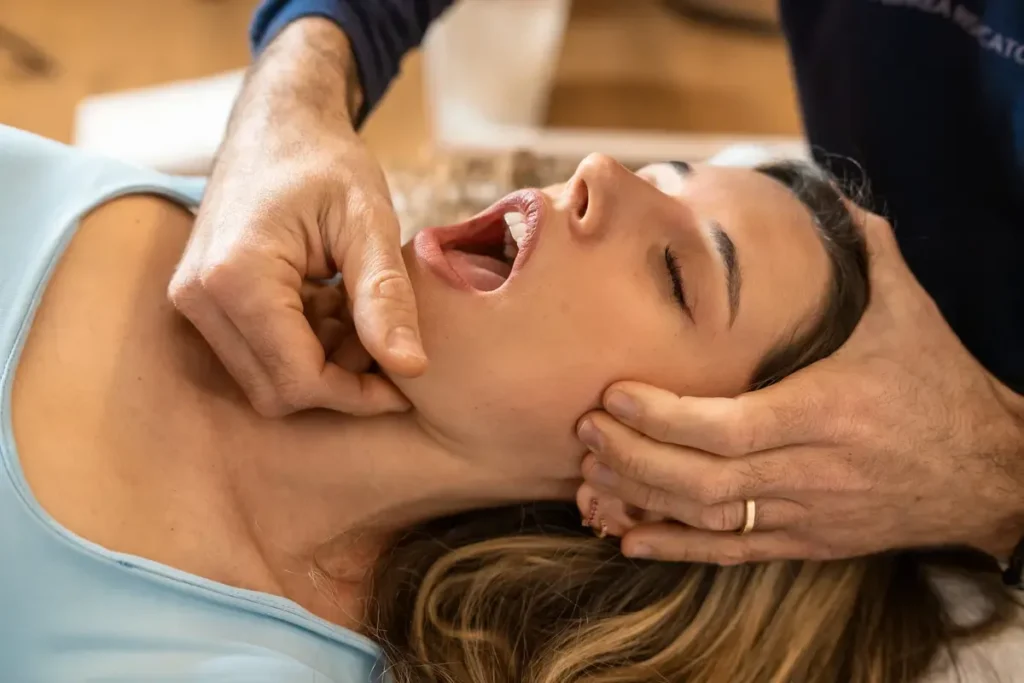
- Manual therapy: Here,a therapist uses their hands to stretch the muscles and soft tissues surrounding the joint.
Medications for Pain Relief
Take over-the-counter medications when you first feel discomfort in your jaw joints or muscles. Nonsteroidal anti-inflammatory drugs such as ibuprofen or acetaminophen are effective in relieving pain and decreasing inflammation.
Dr. Chin may prescribe stronger anti-inflammatories for more persistent pain conditions. She may also recommend eating soft foods and using heat or a cold ice pack on your face.
A doctor can prescribe muscle relaxants in more severe cases. Muscle relaxers are stronger medications, but they will ease your jaw tension and stop muscle spasms.
Other prescription medicines a doctor may use include gabapentin and tricyclic antidepressants.
Nightguards and Occlusal Splints
Nightguards protect your teeth from clenching or grinding while you sleep. You may also wear a mouth guard if you play contact sports to lower your risk of injury.
Occlusal splints can reduce pressure on the jaw joint and help improve bite alignment.
Therapy for Stress Management
Stress contributes to muscle tension. It often leads to teeth clenching or grinding, which worsens muscle tension and increases TMD symptoms.
Managing stress is important for reducing TMJ flare-ups.
Seeing a therapist or counselor can also help. They may teach skills to lower stress and break harmful habits like clenching.
Techniques such as relaxation training and mindfulness can ease jaw pain and related tension. That’s because deep breathing and meditation often reduce stress.
Alternative Therapies
Some patients find relief from temporomandibular disorders through complementary approaches. These therapies are often used to relax muscles and treat pain when standard care is not enough.
Options may include the following:
- Ultrasound therapy, which uses sound waves to improve blood flow, reduce tension, and treat pain in the jaw.
- Transcutaneous electrical nerve stimulation (TENS), which applies gentle electrical currents to relax muscles and ease pain.
- Acupuncture, where a trained specialist inserts thin needles at specific points to relieve ongoing pain.
- Massage therapy, which focuses on jaw and neck muscles to release tension and improve movement.
Acupuncture and massage therapy combined reduce TMJ pain and improve joint mobility. Furthermore, the therapies above are often the most effective when combined with guidance and care from your dentist.
Injections for TMJ Pain
Your doctor or dentist may recommend injections for TMJ pain. For example, corticosteroid injections reduce inflammation inside the joint and ease discomfort.
Some patients benefit from botulinum toxin type A (Botox) injections. These calm overactive jaw muscles. They also reduce severe jaw pain.
Dentists may recommend injecting botulinum toxin type A when other treatments fail. Injections are usually short-term but effective. They often follow more conservative therapies like nightguards or physical therapy.
Satisfied Patient Reviews:

Surgical Treatments for TMJ Pain Relief
Maxillofacial surgery is typically recommended in cases where the jaw joint has become severely damaged due to trauma or degenerative conditions.
Surgical treatments for TMJ pain can be a last resort if more conservative methods aren’t giving you the relief you need.
Arthrocentesis
One common surgical option for TMJ disorders is arthrocentesis (ahr-throe-sen-TEE-sis) to ease jaw pain and improve movement. Arthrocentesis is a minimally invasive procedure.
The doctor places a thin needle into the joint during the procedure. A sterile solution is then used to gently flush the joint.
The fluid is then drawn out with a syringe. It takes with it the irritation and debris that cause discomfort. Most patients notice less pain and better jaw movement after treatment.
TMJ Implants
Some studies suggest that, when used in very specific cases, TMJ implants can improve function and quality of life. These metal implants are typically considered a last resort treatment for patients with severe cases of TMJ disorder (TMD).
You may need to have other surgical treatments if the other treatments described here don’t restore movement or relieve pain. Your specialist or surgeon will discuss additional options based on your condition in these cases.

Benefits of TMJ Treatment
TMJ disorders can cause pain, discomfort, and difficulty with basic daily functions like chewing and speaking.
Here are three key benefits of the TMJ treatment options in Alexandria, VA.
1. Pain Relief
TMJ treatment helps alleviate the chronic pain associated with jaw dysfunction, including headaches, earaches, and facial pain.
2. Improved Jaw Function
TMJ treatment can improve jaw movement, allowing you to eat, speak, and yawn without pain or stiffness.
3. Prevents Further Damage
Early treatment of TMJ can prevent worsening damage to the jaw joint and teeth, protecting your long-term oral health.
Temporomandibular Joint Dysfunction Specialists
Enduring jaw pain, frequent TMJ headaches, and migraines is no way to live. Dr. Chin and the rest of the team at LIFE A.I.D. understand that these symptoms are debilitating for many.
We want to help you find relief and restore comfortable jaw function for you.
Expert TMJ Pain Relief in Alexandria, VA
If you have TMJ pain or any of the symptoms mentioned above, call LIFE Advanced Integrated Dentistry today to schedule an appointment. We are proud to serve patients right here in Alexandria.
Dr. Chin has patients who come from Washington, D.C. and Maryland specifically to see her for TMJ relief.
Her practice also welcomes patients from the surrounding communities, including:
- Franconia
- Kingstowne
- Springfield
- West Springfield
- North Springfield
- Fairfax
- Lincolnia
- Annandale
- Manassas
- Falls Church
Satisfied Patient Reviews:
Frequently Asked Questions
First, Dr. Chin will perform a thorough assessment of your TMJ. This may include:
- Studying your TMJ’s range of motion
- Taking X-rays
- 3-D cone beam CT scans
- Collaborating with your physician to take an MRI
While her goal is to determine the underlying reason for your TMD, an occlusal splint is one solution that provides symptomatic relief.
This oral appliance positions the lower jaw to balance and even out your dental bite. This helps relieve pressure on the TMJ because your upper and lower teeth meet evenly.
Some patients find the short-term relief they need with a custom nightguard. We design this device using impressions of your teeth so it fits comfortably.
When worn during sleep, it also helps relieve jaw joint pressure, giving it time to rest and recover.

Doctors use the DC/TMD system (Diagnostic Criteria for Temporomandibular Disorders) to identify TMD.
The system helps them determine the cause of your TMD symptoms and choose the right treatment plan.
This tool looks at these two key areas:
- Physical exam: Your dentist checks clinical signs such as pain conditions, muscle tenderness, and joint sounds.
- Psychosocial factors: They may also ask about stress, habits, or lifestyle issues that affect jaw health.
Your doctor or dentist might also suggest imaging studies such as an x-ray, magnetic resonance imaging (MRI), or computed tomography (CT).
A dentist is often the best first step for TMJ care. At LIFE Advanced Integrated Dentistry, Dr. Charissa Chin offers treatment options that address pain and its causes.
A GP may suggest stronger painkillers and relaxation techniques. They may even give tips on ways to improve sleep or refer you to a sleep specialist for further care.
A GP may also refer you to a dentist for teeth grinding or a psychologist if stress is part of the problem.
It’s time to see a specialist if you have severe pain or jaw joint problems that last longer than three to six months.
You may be referred to an oral and maxillofacial surgeon or a specialist like Dr. Chin, who focuses on treating TMDs.
Yes, the TMJ joint itself is for life since it is part of your anatomy. But TMD, the disorder, is not always lifelong. The right treatment options can relieve pain and reduce symptoms of TMJ disorders.
Early care provided by your dentist and other healthcare providers can also prevent TMD from becoming a long-term condition.
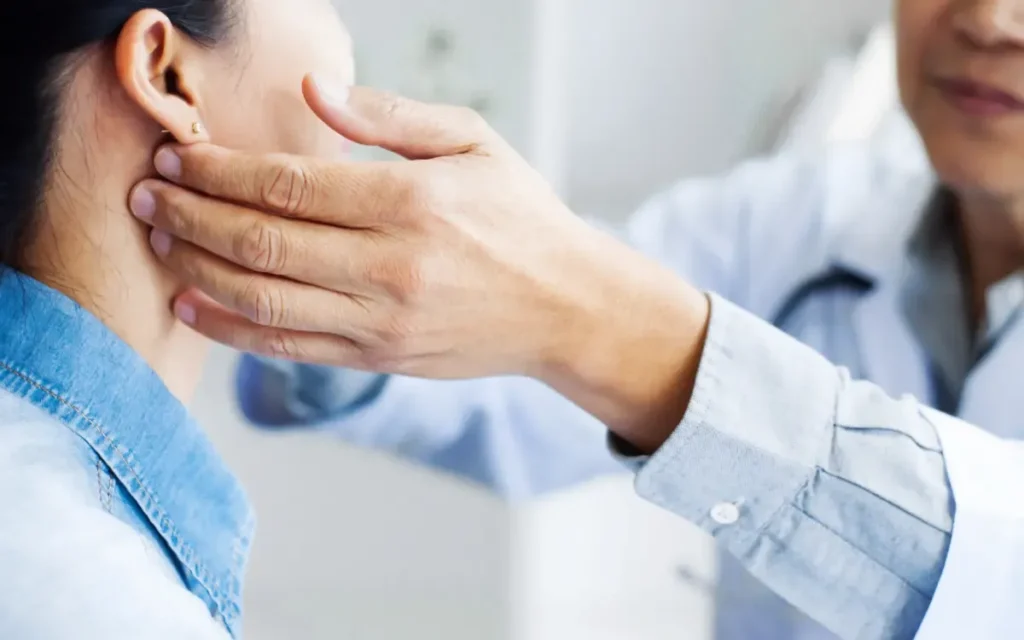
Don’t Live with TMJ Pain—We Can Help You!
You don’t have to deal with jaw pain, headaches, and difficulty chewing anymore.
Set up a consultation with LIFE Advanced Integrated Dentistry today. Find out how Dr. Chin can help relieve your TMJ-related popping, stiffness and discomfort.
Why live with TMJ pain when we can help you?